Manor Farm, Alton, Hants GU34 3BD
21 Jul 2026

The Characters of the Farm

If you’ve ever watched Clarkson’s Farm, you’ll know that while farming is at the heart of the programme, its real success lies in the wonderful cast of characters. Each person brings different skills, different personalities and, quite often, a healthy dose of humour. It reminds us that a farm is much more than fields, tractors and livestock—it’s a community.

Our own farm is no different.

At its heart is the farmer, whose life revolves around the changing seasons, the weather forecast and the endless list of jobs that somehow never gets any shorter. Farming demands resilience, optimism and the ability to adapt, because no two days are ever quite the same.

Working alongside the farmer is our shepherd. Lambing time brings long days and even longer nights, but throughout the year there is always a flock to care for. It takes patience, experience and a genuine understanding of animals to keep everything running smoothly.

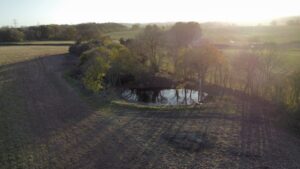
Every farm also relies on someone who can turn their hand to almost anything. Our maintenance man is one of those indispensable people. Whether it’s repairing a gate, fixing machinery, mending a water pipe or tackling one of the countless unexpected jobs that appear each day, he somehow keeps the wheels turning. He also leads much of our conservation work, caring for hedgerows, woodland, ponds and wildlife habitats so that nature flourishes alongside farming.

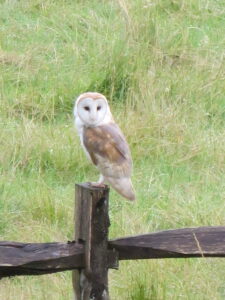
The fields are shared with plenty of other familiar characters too. Sheep and cattle quietly graze, working dogs are always eager for their next task, swallows return each spring, barn owls hunt at dusk and countless insects, birds and small mammals all play their part in the rich ecosystem of the farm. Even the earthworms beneath our feet are busy improving the soil.

Of course, farms today are no longer just places where food is produced.

At weekends, one of our buildings comes alive with the rich aroma of freshly roasted coffee. The coffee roasters welcome local people who come not only for an excellent cup of coffee but also for conversation, friendship and a chance to slow down for an hour or two. It has become a real meeting place for the local community.

Elsewhere on the farm, talented caterers prepare food for weddings, celebrations and special events, helping people create memories that will last a lifetime.

Our resident pizza maker crafts his dough on the farm before hosting popular pizza evenings, bringing together families, neighbours and friends over simple food shared outdoors.

Visitors looking for a break from busy lives can escape to our off-grid glamping site. Families swap screens for campfires, enjoy peaceful evenings beneath dark skies and rediscover the pleasure of spending time together in the countryside. Our ‘hospitality maker’ at the heart of the campsite, she is the one predicting any set backs and ensuring our guests have a great time, a full time job in itself and one that requires resilience, passion and energy, lucky for us we have the best person.

Innovation also has its home here. One of the businesses based on the farm designs and manufactures machinery that helps farmers improve soil health. Looking after the soil means looking after the future, ensuring that the land remains productive for generations to come.  Another of our innovative tenants designs and manufactures top notch dog beds out of British wool and materials, they sell all over the world.

When you stop and look around, it’s remarkable how many different people make up the life of a modern farm. Farmers, shepherds, conservationists, engineers, coffee roasters, caterers, pizza makers, manufacturers, visitors and families all bring their own skills and passions. They may all have different jobs, but together they create something far greater than any one business could achieve on its own.

Perhaps that is the biggest change in farming over recent years. Farms are no longer simply places of production. They are places where people meet, where businesses grow, where ideas are shared, where visitors reconnect with the countryside and where communities are built.

The fields and livestock may still be at the heart of the farm, but it is the people—the many different characters who work here, visit here and spend time here—who give it its real character. They remind us that a successful farm isn’t just measured by its harvests, but by the community it helps to create.

25 Jun 2026

Should We Pay More For Food That Nourishes Us?

With food prices rising, many of us are thinking more carefully about what we buy. But alongside the concern about cost, another question quietly emerges: shouldn’t food that is better for our health be valued more highly?

At first glance, it seems obvious. Food that nourishes our bodies—fresh vegetables, fruits, whole grains, and responsibly produced meat—supports our wellbeing, strengthens our immune systems, and contributes to long-term health. In contrast, highly processed foods, often high in sugar, salt, and unhealthy fats, can contribute to illness when consumed in excess.

And yet, in the shops, the opposite can often appear true. Less nutritious food is frequently cheaper, more accessible, and more heavily promoted.

A Question of Value

This raises an important moral and social question: what exactly are we paying for when we buy food?

At present, food prices reflect production efficiency, convenience, and demand—not nourishment. A product that is cheap to manufacture, has a long shelf life, and can be produced in large quantities will usually cost less, regardless of its impact on our health.

In fact, cheap processed food is often particularly attractive to supermarkets. Because it has a long shelf life, it reduces waste, is easier to store and transport, and can sit on shelves for extended periods without loss. This makes it more predictable and profitable for retailers compared to fresh food, which is more perishable and carries a higher risk of being thrown away.

But if we step back, we might ask whether this reflects our true values.

If something contributes positively to our health, reduces future strain on healthcare systems, and helps people live fuller, longer lives, should it not be considered more valuable—even if it costs more to produce?

The True Cost of Cheap Food

Cheap food is not always truly “cheap.” Often, the real costs are simply hidden.

When diets are poor, society bears the burden through increased healthcare needs and reduced quality of life. When food is produced intensively at low cost, there may also be environmental consequences that are not reflected in the price we pay at the checkout.

In this sense, paying more for nutritious food could be seen not as a burden, but as an investment—one that supports both personal health and the common good.

But What About Fairness?

At the same time, we must be careful. It is easy to say that healthier food should cost more—but this raises a serious concern: what happens to those who are already struggling?

If nutritious food becomes a luxury, then inequality deepens. Those with fewer resources may be pushed toward cheaper, less healthy options, not by choice, but by necessity.

So the issue is not simply about paying more—it is about creating a system where nourishing food is both valued and accessible.

A Balanced View

Perhaps the real question is not whether individuals should simply pay more, but whether our society should do more to ensure that nutritious food is properly valued.

This could include:

  • Supporting local and sustainable farming
  • Reducing waste across the food system
  • Encouraging fair pricing that reflects true costs
  • Ensuring access to healthy food for all, especially the most vulnerable

A Reflection for All of Us

This invites us to think not only about our own shopping habits, but about how we care for one another.

Do we see food simply as a commodity, or as something that sustains life and dignity?

Paying more for nourishing food may, in some cases, reflect its true worth. But equally important is our shared responsibility to ensure that such food is not out of reach for anyone.

Conclusion

Yes—perhaps food that nourishes us should be valued more highly. But that value must be reflected not only in price, but in how we organise our society, support one another, and care for the most vulnerable.

Because in the end, good food is not just about cost—it is about care

04 Sep 2024

Oats bound for Moma Oat Drink


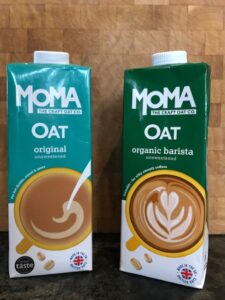
The last load of oats being emptied into the trailer. We are hoping the oats will make the grade for Moma Oat drink. The only oat drink that uses British oats. Milled by a local company just off the A303 and then manufactured into the milk alternative in Somerset.

01 Sep 2021

Eco Warriers

When walking our livestock fields here is an interesting thing to look out for. ‘Dung beetles’. They help to keep our land cleaner as they break down sheep and cow dung which in turn helps reduce greenhouse emissions. So next time you walk our fields have a look at the cow pats and if they look like this our little black eco warriors are at work.