Manor Farm, Alton, Hants GU34 3BD
08 Oct 2023

Farming Jargon

We have been inviting guests on to the farm for over 17yrs now. While it is always a pleasure to spread the word on what we do and how we do it, it occurred to me recently while giving a talk to the WI that farming language is changing. Here are a few of the more commonly used terms and a brief explanation.

Agroecology – Ecology is the study of relationships between plants,animals,and the environment. Agroecology applies ecological concepts to farming, an increasingly important area, whether that’s mitigating climate change by reducing emissions or working with wildlife.

Agroforestry – A practice combining trees and farming either with grazing livestock (silvo pasture) or crops(silvoarable). Benefits include protection from the elements, increased soil carbon levels and greater biodiversity.

Biodiversity – Different kinds of life found in one place- animals, plants, fungi and those not visible to the naked eye, such as microorganisms. They work together in ecosystems, providing clean air and water, food, shelter and medicines.

Carbon Capture – This is high on the agenda, as adopting practices such as planting cover crops, minimum tillage or agroforestry means soils can absorb greenhouse gases rather than emit them. Soil holds three times as much carbon as the atmosphere.

Cover Crops – Non-cash crops, sometimes grazed by livestock, such as mustards, clovers or oats, grown to protect otherwise bare soil from erosion and add organic matter in between regular crop production.

Crop rotations – Planting different crops sequentially on the same plot over a number of years, then repeating to improve soil health and interrupt pests and diseases. In mixed rotations livestock graze, enriching soil with their manure, as is the case at Manor Farm where we have a 7yr rotation.

Fertiliser – Conventional farmers rely on synthetic nitrogen fertiliser to grow crops and grass, but it’s made using fossil fuel, and prices rose 78% between March 2019-23. Natural sources include legumes and farmyard manure, which replenishes soils with nitrogen, phosphorus and potassium.

Herbal Leys – Temporary grasslands of legumes, herbs and grasses, farmed as part of a mixed or arable rotation. They improve soil structure, build organic matter and have a wider variety of species, providing food for pollinators.

Intercropping – Growing different crops in close proximity-such as wheat with beans or linseed with oats-for beneficial interactions. This can increase yields by reducing weeds, and plants complement each other because they use available nutrients at different times.

Living mulches – Low-lying plants such as clover grow in a cash crop as a ‘living mulch’, remaining after harvest. They fix nitrogen, build soil fertility and allow livestock to graze straightaway.

Minimum or no-till – This means cultivating soil no deeper than 15cm and not ploughing. It has gained popularity in recent years to improve soil health, although it can mean increased reliance on herbicides to control weeds.

Mob grazing – A growing trend, this is short duration, high density grazing with a longer than usual grass recovery period. Farmers might move livestock onto fresh pasture once a day and leave the grass to recover for 40 to 100 days, improving soil structure. Rule of thumb is the length of grass above the ground is the same as the root length below the ground.

Regenerative agriculture – This growing trend is about producing food while improving the environment. Practices include minimum disturbance of soil and incorporating diversity, whether that’s through rotations, livestock or intercropping.

Soil microbiology – A quarter of all species on Earth live in soils and it’s increasingly recognised life below ground requires the same level of attention as biodiversity above it. Regenerative, organic and agroecological farming methods all focus on soil microbiology and health.

The great news is these terms are common practice amongst farms now, so on your walks take a look, because you now know what you are looking at.

30 Mar 2023

Brilliant Third Round of Virtual Farm Tours

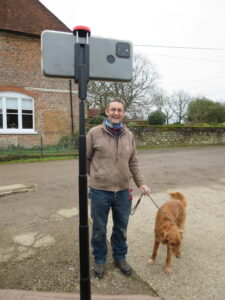
Beautifully organised as usual by Jo Hatton of LEAF (Linking Environment and Farming). Will has just done another full day of tours.  Schools/colleges from all round the UK. Will walks with a a selfie stick from the main yard where he talks about our cluster of industrial units, to the cows and sheep and the campsite.  Loads of great questions including the usual ‘Is farming hard work’? Well what isn’t?

20 May 2022

Natural Capital

There is a lot happening in the agricultural world at present, prompting almost daily articles in the press. I, like many farmers forget who I am talking to sometimes and often use jargon when discussing a certain topic. This theme was prompted by a discussion with one of my work experience students who asked what ‘Natural Capital’ was.

Natural Capital is a way of viewing the environment as a set of assets that benefit wider society, rather than any single individual or organisation. A good example can be seen on a dairy farm where changes to how they manage their on-farm slurry can improve groundwater quality. This in turn benefits water companies and the general population, not just the farm itself where the improvements take place.

It is difficult to put a value on the work done and the public goods generated by improving natural capital. This challenge makes natural capital difficult to understand in a farm business setting. Speaking from personal experience this makes it harder to justify investing in natural capital rather than other parts of the business. As a result of this, farmers have often been blamed for putting output and productivity first at the expense of the environment.

So where are we today. Natural capital is now the cornerstone of Government policy, incentivising farmers to increase or enhance natural capital. For farmers, it is important we realise there are two elements to natural capital. On one hand we have the hedgerows, trees, soil and biodiversity on the farm which we call the natural capital stock and on the other the ecosystem services, or operational bit which includes the carbon sequestration which our stock provides.

At Manor Farm we have been part of the Countryside Stewardship scheme for 20 years. This alone has helped us to increase and enhance what effectively used to be regarded as ‘free’ by nature and taken for granted. Now with the collaboration of neighbouring farmers we are doing this on landscape scale.

We are in the process of measuring our carbon footprint, this will help us understand where investment can be targeted to improve productivity in a sustainable way, as well as highlighting areas that may provide value to third parties in the form of carbon credits.

On any farm soil and water are vital assets or we don’t have a business. Both these assets have a value for the wider public because they are the foundations for wholesome food and clean drinking water, in the face of climate change both soil and water have to be managed even more carefully. As a result of this we have implemented crop rotations that reflect this. Thames Water are now collaborators with us in this goal further emphasising the bigger scale of our ambitions.

15 Feb 2022

Spreading the Word.

Something to think about:

Farmers should use less antibiotics, but if your own kitten or dog is sick, go to the vet immediately and give them antibiotics and medicines.

Farmers should not import food but we regularly eat Couscous, Soy, Avocado, Bananas which must be imported into our country.

Farmers pollute drinking water with pesticides. But we shower daily with shampoo, wash medicines down the sink and swim in the pool with chlorine…

Farmers should need less pesticides, but we’re buying strawberries and asparagus in winter because we can’t wait for the season to come…

Farmers should keep as many cattle as they can produce themselves, but we’re bringing the cheaper piece of foreign meat into store because domestic is too expensive.

Farmers would need less or no pesticides and antibiotics if we would buy a curly carrot or apple with brown spots, but we would rather buy the cheaper and more beautiful product in the store.

Yes farmers should change everything… but we are buying more and more foreign products and that is very cheap.

No one cares how much antibiotics or pesticides have been put in where we have no influence on it!

No matter if you fly over the superfood on a plane and spray literally any chemistry on it!

After that, the treated food comes to us by plane or ship….

But we are aware of our ‘environment’

Not only the farmers have to change everything, but much more the consumers!

Let’s finally start with ourselves before we always teach others!

One thing you should never forget, farmers take care of your food, worldwide!

Everyone is responsible for a healthier world.

A piece of awareness can’t hurt.