Manor Farm, Alton, Hants GU34 3BD
21 Nov 2025

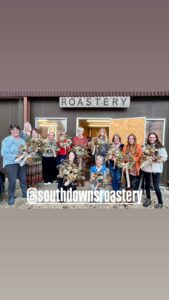
Wreath making workshop at Manor Farm with Blooming Cow Flowers.

Photo from the very successful Autumn wreath making.

There are just a handful of Christmas wreath workshop tickets left… Friday 5th of December from 6.30pm at South Downs Roastery. £45pp link here: https://bloomingcowflowers.co.uk/workshops-%26-events

06 Nov 2025

When Communication Breaks Down: The Human Side of Farm Diversification

Across the countryside, many farms are adapting to survive. Declining farmgate prices, rising input costs, and uncertainty around agricultural policy have forced farmers to seek new ways to sustain their livelihoods. From holiday lets and cafés to renewable energy and events, diversification has become a lifeline for rural businesses.

But while diversification can breathe new life into farms, it can also strain the delicate relationship between farmers and their neighbours. In some communities, trust has broken down—not because of the projects themselves, but because of how they were introduced and communicated.

A Breakdown of Trust

In many rural areas, long-standing relationships between farmers and locals are built on mutual respect and familiarity. However, when a diversification plan is launched without early consultation—perhaps a campsite, a wedding venue, or a new access road—locals can feel excluded, surprised, or even threatened by the changes.

What might seem like a reasonable business move to a farmer can appear, from the village’s perspective, as something imposed rather than shared. Rumours spread quickly, concerns go unaddressed, and before long, suspicion replaces support.

In such situations, even well-intentioned projects can become symbols of division rather than progress.

The Farmer’s Dilemma

It’s important to remember that most farmers who diversify do so under pressure. Farming is a vocation, but also a business. Margins are tight, and climate, policy, and markets are unpredictable. Many farmers feel they have little choice but to innovate—and fast.

However, when livelihoods are at stake, communication sometimes takes a back seat. The focus is on securing planning permission or funding, not community engagement. Yet skipping that step often proves costly later, when opposition arises and trust erodes.

Rebuilding Bridges

Rebuilding community trust takes time and openness. Listening sessions, farm open days, or public meetings can help locals understand why diversification is necessary and how it can benefit everyone.

Transparency about intentions—whether it’s environmental commitments, noise management, or local job creation—shows respect for the people who share the landscape. Simple steps, like inviting feedback early or offering clear updates, can transform suspicion into collaboration.

Farmers and communities ultimately want the same thing: a thriving countryside that supports both livelihoods and quality of life.

Looking Ahead

Diversification is not just an economic strategy—it’s a social one. Success depends not only on business plans, but on empathy and dialogue. When farmers and rural communities work together, diversification can become a source of shared pride rather than division.

At its best, it’s not about changing the countryside—it’s about keeping it alive, in a way that everyone can feel part of.

03 Oct 2025

Why Supporting UK Farmers Matters for All of Us.

When we shop for food, it can be tempting to go for what is cheapest and most convenient. But behind every pint of milk, loaf of bread, or bag of carrots is the work of farmers. In the UK, they face increasing pressures — from rising costs and unpredictable weather to competition with imported produce.

This raises an important question: should we be looking after UK farmers? The answer is yes — because the food they produce isn’t just about filling our plates, it’s about safeguarding the nation’s health.

Nutritious food underpins our wellbeing. Diets rich in fresh fruit, vegetables, grains, dairy and meat contribute to lower rates of obesity, diabetes, and heart disease, while also helping children to grow and learn well. If we neglect home-grown produce and instead rely heavily on imported or processed food, the long-term costs to the NHS and society will only increase.

Supporting British farmers also means supporting high standards. UK farmers are bound by strict rules on food safety, animal welfare, and environmental care — standards not always matched abroad. When we choose local produce, we are choosing food we can trust.

There are economic benefits too. Farming sustains rural communities, provides jobs, and keeps money circulating in the local economy. A resilient farming sector also strengthens food security — reducing our dependence on global supply chains that can be disrupted by conflict, climate change, or pandemics.

The conclusion is clear: when farmers thrive, we all thrive. By backing UK agriculture — whether by buying local produce, supporting farmers’ markets, or recognising the value of paying a fair price for quality food — we are investing not just in farming, but in healthier lives, stronger communities, and a more secure future.

11 Feb 2025

Its important to Manage Woodland

Management within woodlands (particularly in areas where the Ash trees have been ravaged by ‘Ash Dieback’) can look brutal and change the landscape, but our woods are resilient and bounce back. Most of our woods are Ash and Hazel and these need to be coppiced every 10 – 15 years to keep them looking their best. At Manor Farm we have about 25 acres of woodland including the steep sided hangers which are beautiful but difficult and dangerous to manage.  Its a costly job and we can apply for grant aid which helps a bit. Most of the wood we fell is sold locally or used to fuel the stoves on our Feather Down tents.

We are careful to fell trees selectively.  Managing the trees including rotational coppicing and pollarding will let light through the woodland canopy and encourage revival of the naturally rich ground flora, including bluebells, yellow archangel and wood sorrel. These plants in turn will attract woodland butterflies and other priority species.

You can read more about the woodland work we and our neighbouring farmers do within The Selborne Land Partnership:

https://www.selbornelandscapepartnership.org.uk/current-projects